Hardscaping vs. Softscaping: Landscape Installation Guide
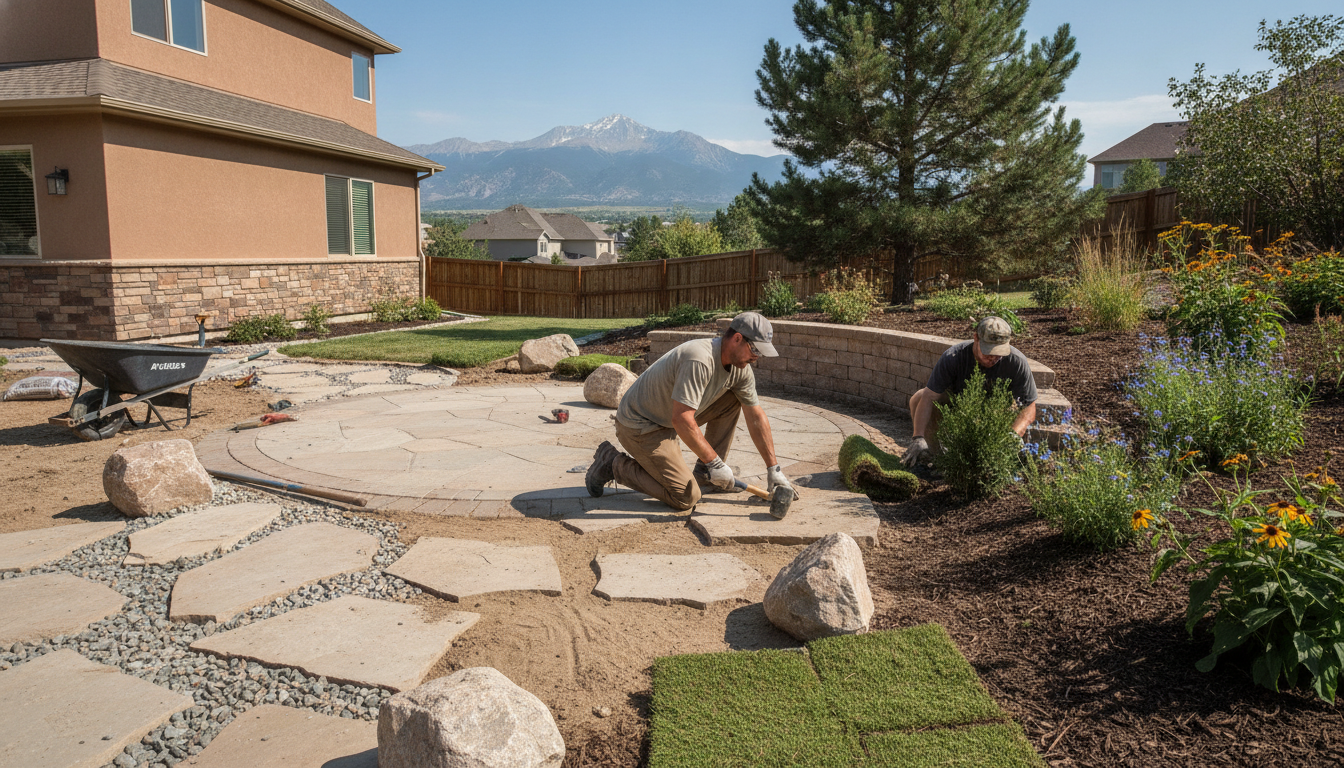
Learn how hardscaping and softscaping work together in landscape installation Colorado Springs homeowners can rely on for years of beauty.
If you've started researching landscape installation in Colorado Springs, you've probably come across two terms that get used a lot: hardscaping and softscaping. They might sound like industry jargon, but understanding the difference — and how the two work together — can help you make smarter decisions about your yard, whether you're planning a full renovation or just a few upgrades.
What Is Hardscaping?
Hardscaping refers to the non-living, structural elements of your landscape. Think patios, walkways, retaining walls, seating walls, fire pits, and other hardscapes built from stone, pavers, concrete, or timber. These features give your outdoor space its bones — they define how people move through the yard, where they gather, and how the space functions day to day.
In a climate like ours, hardscaping also has to hold up to freeze-thaw cycles, intense sun, and shifting soil. That's where local know-how matters. A patio or walkway installed without accounting for Colorado's terrain and weather patterns can shift, crack, or settle over time. Proper installation — correct base preparation, drainage, and material selection — is what makes hardscaping last.
What Is Softscaping?
Softscaping is everything living in your landscape: trees, shrubs, perennials, groundcovers, and lawn areas. This is where color, texture, and seasonal interest come in. Softscaping is also where water-wise choices matter most — many Colorado Springs homeowners are shifting toward xeriscaping, which uses drought-tolerant, often native plants paired with smart irrigation to create a landscape that's both beautiful and easier on water bills.
Softscaping isn't just about plant selection, either. Soil quality, sun exposure, slope, and spacing all affect how well plants establish and thrive. A softscape that's designed with Colorado's climate in mind will hold up far better than a generic planting plan borrowed from a wetter, milder region.
Why the Two Need to Work Together
The best landscapes don't treat hardscaping and softscaping as separate projects — they're designed as one cohesive plan. A patio without thoughtful planting around it can feel stark and exposed. A garden without any structural elements can feel unorganized or hard to actually use. When they're planned together, hardscaping provides structure and function, while softscaping softens edges, adds seasonal beauty, and ties everything back to the natural surroundings.
This is really the heart of good landscape design in Colorado Springs: balancing what you walk on and gather around with what grows and changes throughout the year. A well-designed yard considers how sunlight moves across a patio, how root systems interact with paver bases, and how irrigation lines need to be planned before any hardscaping goes in — not after.
Sequencing Matters
One detail homeowners don't always think about: the order of installation matters. Irrigation lines, drainage solutions, and grading typically need to be addressed before patios and walkways are installed, and softscaping is often finished after hardscape features are in place to avoid damaging new plantings during construction. Skipping steps or doing things out of order is a common cause of costly rework down the road.
Bringing It All Together on Your Property
Whether you're dreaming of a stone patio surrounded by native grasses, a low-water xeriscape design with a gravel seating area, or a full-yard transformation with walkways, plantings, and a fire pit, the goal is the same: a space that looks great, functions well, and holds up to Colorado's climate for years to come.
At S&C Landscaping, we're a family-owned company built on 15 years of combined experience, and we work directly with homeowners across the Colorado Springs and Tri-Lakes area to plan and install landscapes that blend hardscaping and softscaping thoughtfully — not as an afterthought, but as part of one connected design.
Frequently Asked Questions
Do I need both hardscaping and softscaping in my landscape installation?
Not necessarily — some projects focus mostly on one or the other, depending on your goals and budget. That said, most landscapes look and function best when structural features like patios or walkways are paired with thoughtful plantings around them, since each enhances the other.
Can hardscaping and xeriscaping be combined?
Yes, and it's a popular combination in our area. Patios, walkways, and seating walls pair well with drought-tolerant plants and smart irrigation, creating a low-maintenance yard that still feels finished and intentional rather than sparse.
How do I know what my yard needs — more hardscaping or more softscaping?
It depends on how you use your space, your yard's layout, and your maintenance preferences. A free on-site consultation is the best way to get a clear picture — our team can walk your property, talk through your goals, and put together a plan suited to your home.