Landscape Installation Colorado Springs: What to Expect
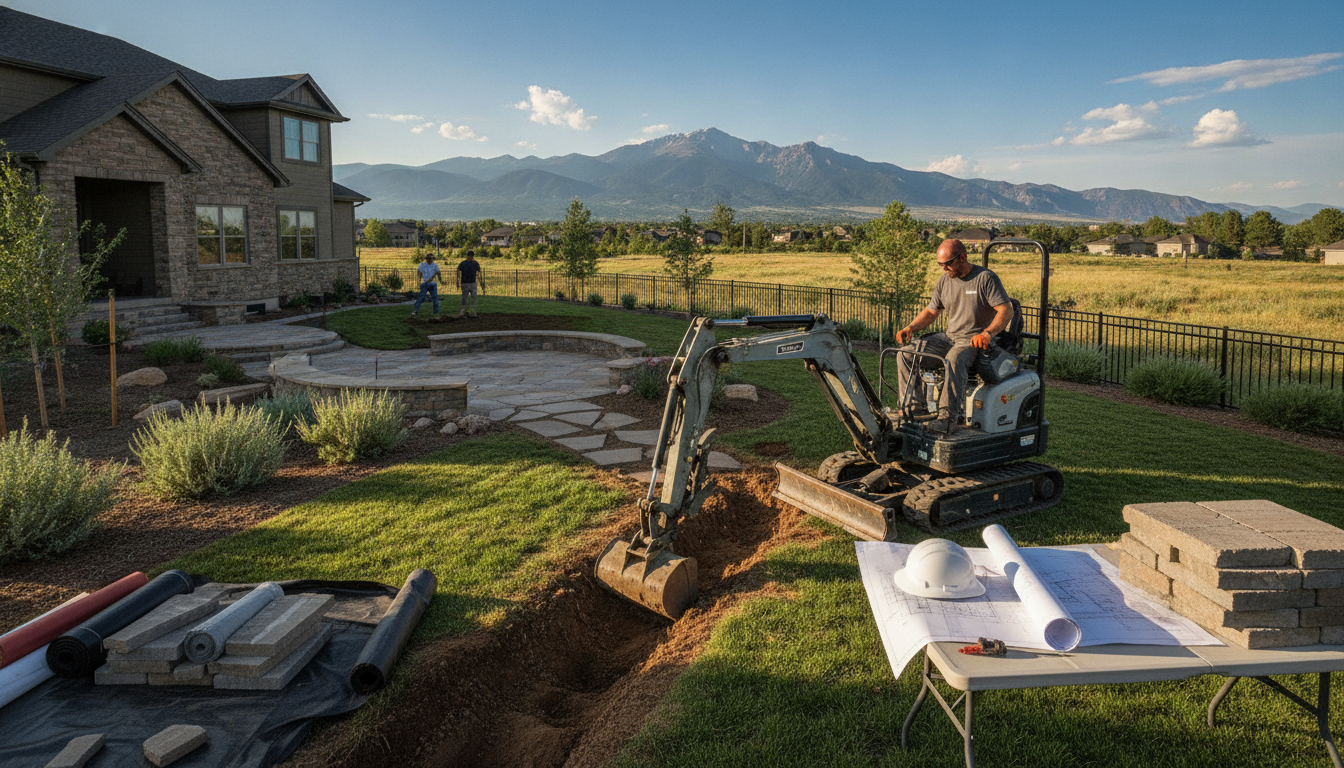
Planning a landscape installation in Colorado Springs? Here's a step-by-step look at the process, from design to final walkthrough.
Investing in a new landscape is exciting, but the process can feel like a mystery if you've never gone through it before. Whether you're starting from a blank dirt lot or overhauling an outdated yard, understanding how professional landscape installation works in Colorado Springs helps you plan ahead, budget wisely, and know what to expect at each stage.
Here's a step-by-step breakdown of how a typical landscape installation project unfolds, from the first conversation to the final walkthrough.
Step 1: Initial Consultation and Site Assessment
Every successful landscaping project starts with a conversation. During the initial site visit, a landscaping professional will walk the property, take note of existing conditions, and talk with you about how you use your outdoor space. Key factors assessed at this stage include:
- Soil type and drainage patterns
- Sun exposure and shade throughout the day
- Grade and slope of the yard
- Existing trees, shrubs, or hardscape features to keep or remove
- Utility lines and underground obstructions
Colorado Springs properties often deal with clay-heavy soil, dramatic elevation changes, and intense sun exposure, all of which influence what will actually thrive once installed. This groundwork sets the stage for a design that fits your property instead of fighting against it.
Step 2: Landscape Design and Planning
Once the site assessment is complete, the next step is landscape design. This is where your ideas, whether it's a shaded patio, a play area for kids, or a low-maintenance front yard, get translated into a workable plan. A thoughtful landscape design Colorado Springs homeowners can rely on will account for:
Plant Selection and Placement
Plants are chosen based on their ability to handle our region's semi-arid climate, temperature swings, and soil conditions, not just their looks in a catalog photo.
Hardscape Layout
Walkways, patios, retaining walls, and other structural elements are mapped out to work with the natural grade of the property rather than against it.
Irrigation Planning
Water delivery is planned alongside the design itself so every zone of the yard gets the right amount of moisture without waste.
Step 3: Proposal and Material Selection
With a design in place, you'll receive a detailed proposal outlining the scope of work, materials, and timeline. This is the stage to ask questions about plant varieties, mulch types, stone or paver options, and any other materials going into the project. Material choices affect not just appearance but long-term maintenance, so it's worth discussing durability and water needs for each option.
Step 4: Site Preparation
Before any plants go into the ground, the site needs to be prepped. This phase typically includes:
- Clearing existing vegetation, debris, or old hardscaping
- Grading the soil to direct water flow properly
- Amending soil to improve structure and nutrient content
- Installing any drainage solutions identified during the assessment
Proper grading is especially important in Colorado Springs, where sudden downpours and snowmelt can lead to erosion or pooling if water isn't directed away from the foundation and toward appropriate drainage areas.
Step 5: Hardscape and Irrigation Installation
Next, any hardscape elements, patios, walkways, retaining walls, or edging, are installed. Irrigation lines and components typically go in around this same phase, before the finish grading and planting begin. Installing irrigation early ensures the system is properly buried and tested before soil and plants cover the area.
Step 6: Planting and Finishing Touches
With the hardscape and irrigation in place, it's time for planting. Trees, shrubs, perennials, and turf (or drought-tolerant groundcovers, depending on your design) are installed according to the plan. Mulch, rock, or other ground cover materials are added last to help retain moisture, suppress weeds, and give the landscape a finished look.
Step 7: Final Walkthrough
Once installation is complete, a final walkthrough gives you the chance to see the finished project, ask questions about care and maintenance, and confirm everything matches the agreed-upon design. This is also a good time to discuss watering schedules and seasonal care so your new landscape gets off to a strong start.
Why the Process Matters
Skipping steps, like proper grading or soil amendment, often leads to problems down the road: settling patios, drainage issues, or plants that struggle to establish. Working through each phase methodically is what separates a landscape that thrives for years from one that needs constant rework.
If you're comparing Colorado Springs landscapers for an upcoming project, ask how they approach each of these stages. A clear, structured process is usually a good sign of a well-run landscaping operation.
Frequently Asked Questions
How long does a landscape installation project typically take?
Timelines vary widely based on the size of the property, scope of work, and material availability. Small projects might wrap up in a matter of days, while larger installations involving extensive hardscaping or grading can take several weeks. Your contractor should be able to give you a project-specific timeline once the design and proposal are finalized.
Can I install a landscape in phases instead of all at once?
Yes, many homeowners choose to phase their landscape installation over time to spread out the project. This is common with larger properties or when combining features like xeriscaping in one area with traditional turf in another. A good design plan will account for phasing from the start so each stage integrates smoothly with the next.
What's the best time of year for landscape installation in Colorado Springs?
Spring and fall are generally the most favorable seasons for planting and installation, thanks to milder temperatures and more consistent moisture. That said, hardscape work like patios and retaining walls can often be done throughout most of the year, weather permitting.