Native Plants for Xeriscaping Colorado Springs Yards
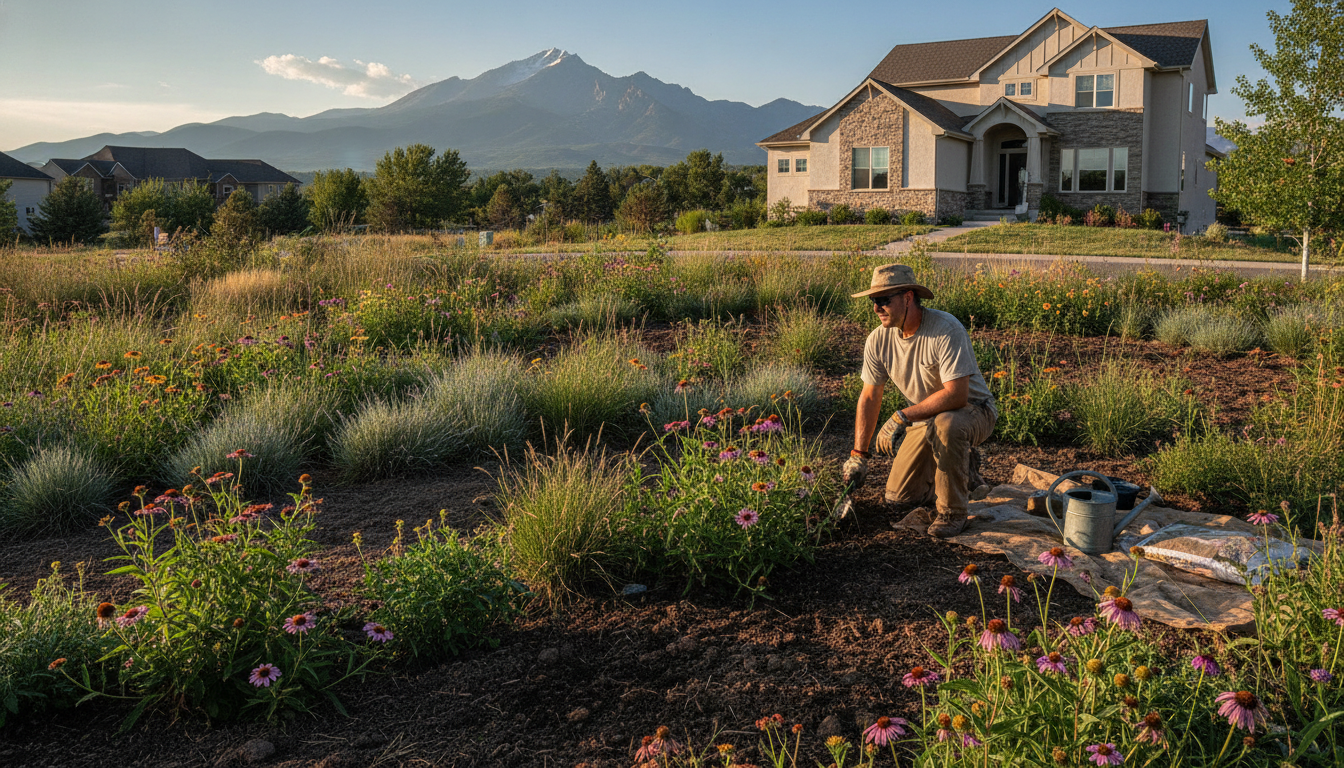
Discover how native Colorado plants and grasses cut water use and upkeep. Late-summer planting tips from S&C Landscaping, Colorado Springs.
If you've spent the last few months hauling out the hose every other day, late summer is the perfect time to rethink your yard. One of the simplest ways to save water and cut down on weekend maintenance is to lean into what already grows well here: native Colorado plants and grasses. At S&C Landscaping, we help homeowners throughout the Colorado Springs and Tri-Lakes area design outdoor spaces that work with our climate instead of against it — and native plantings are one of the easiest wins in xeriscaping Colorado Springs yards.
Why Native Plants Make Sense for Colorado Yards
Our region's mix of intense sun, low humidity, clay-heavy soil, and unpredictable hail and frost windows is tough on plants that weren't built for it. Native species have adapted to these exact conditions over generations. That means once they're established, they typically need far less supplemental water, fewer soil amendments, and less babying through temperature swings than imported ornamentals.
This is the core idea behind xeriscaping: it's not about gravel and cactus, it's about choosing the right plant for the right spot so your landscape can largely take care of itself. When native grasses and perennials are placed thoughtfully as part of a broader landscape design, they can look just as lush and colorful as a traditional lawn or garden bed — with a fraction of the water bill.
Lower Maintenance, Not Less Beauty
A common misconception is that low-water landscaping means a plain or empty-looking yard. In practice, native grasses add movement and texture, while native flowering perennials bring color from spring through fall. Grouped well, they create a layered, natural look that still feels intentional and polished — not overgrown.
Why Late Summer Is a Smart Time to Plant Natives
Many homeowners assume spring is the only planting season, but late summer has real advantages in our climate. Soil is still warm, which helps root systems establish before winter dormancy, and the intense heat of July has typically started to ease. Plants put in the ground now get a head start on developing deep, drought-resistant roots before next summer's dry stretch arrives — which is exactly what makes xeriscaping effective long-term.
Timing also matters for irrigation. Newly planted natives still need consistent watering while they establish, even though the long-term goal is a low-water landscape. A smart irrigation setup, paired with the right plant choices, is what actually delivers the water savings — not just the plants alone.
Grasses Worth Considering
Ornamental and native grasses are a workhorse in low-water designs. They handle wind, poor soil, and temperature swings well, and many stay attractive even into winter, adding structure to an otherwise dormant yard. When we're putting together a landscape design for a client, we often use native grasses as a backbone, then layer in drought-tolerant flowering plants for seasonal color.
Getting the Placement Right
Not every native plant belongs in every spot. Sun exposure, slope, drainage, and soil type all affect how well a plant will actually perform — this is where a professional eye makes a real difference. Part of what our team does during landscape installation is match each plant to the microclimate of your specific yard, so you're not fighting an uphill battle with something planted in the wrong place.
This is also where working with experienced Colorado Springs landscapers pays off. We've spent years learning which combinations thrive in Black Forest's sandy soil versus Monument's rockier terrain versus a shaded lot in Manitou Springs, and we build that knowledge into every plan.
A Good Fit for HOA Communities Too
Native and drought-tolerant plantings are also a great option for HOA landscaping, where consistent, attractive curb appeal needs to be balanced with practical water use across shared spaces.
Ready to Reduce Water Use in Your Yard?
Whether you're starting a new landscape design or want to convert an existing bed to something more water-wise, late summer is a great window to get native plants established before winter. S&C Landscaping is family-owned and operated by Simeon and Chris, who bring 15 years of combined experience to every project across Colorado Springs, Monument, and the surrounding Tri-Lakes communities. We'd be glad to walk your property and talk through what would work best for your space — just share your name, phone number, email, and a bit about your project, and we'll be in touch to schedule a free on-site consultation.
Frequently Asked Questions
Do native plants really need less water once established?
Yes, in general native Colorado plants and grasses require less supplemental watering than non-native ornamentals once their root systems are established, since they're adapted to our region's rainfall and soil conditions. New plantings still need regular water during their first season to get established.
Can I mix native plants with my existing landscaping?
Absolutely. Many homeowners blend native grasses and drought-tolerant perennials into existing beds rather than replacing everything at once. During a design consultation, we can look at your current yard and suggest where natives would fit best.
Is xeriscaping only about rock and gravel?
No — xeriscaping is about choosing drought-tolerant, low-maintenance plants and efficient irrigation, not about removing all greenery. A well-designed xeriscape can include grasses, flowering perennials, and other plantings that stay lush with far less water.